Understanding the Valleylab™ FT10™ Energy Platform: Technical Standards That Define Modern Electrosurgical Generators
The Valleylab™ FT10™ energy platform, developed by Medtronic, is widely regarded as one of the most advanced electrosurgical generators in clinical use today. For surgeons, hospital procurement teams, and medical device distributors, understanding its technical capabilities is essential — not because you need to own one, but because it sets the performance benchmark that all modern electrosurgical generators are measured against.
This article breaks down the core technologies, key specifications, and engineering principles behind the FT10™ platform — and explains what these standards mean for manufacturers developing compatible alternatives in emerging markets.
1. TissueFect™ Sensing Technology: 434,000 Impedance Checks Per Second
The defining innovation of the FT10™ platform is its proprietary TissueFect™ sensing technology. This system monitors changes in tissue impedance 434,000 times per second and adjusts the RF energy output in real time to deliver precisely the amount of energy needed for the desired tissue effect.
Here is why this matters clinically:
During vessel sealing, tissue impedance changes dynamically as water evaporates and collagen denatures. A generator that delivers fixed or poorly regulated energy risks two failure modes:
- Under-sealing — insufficient energy leaves the seal incomplete, risking hemorrhage
- Over-sealing — excessive energy causes charring, tissue sticking, or thermal damage to adjacent structures
The TissueFect™ algorithm continuously tracks the impedance curve and terminates the activation at the precise moment the optimal seal is achieved. This is the same sensing architecture that enables the platform's celebrated 1–4 second average sealing cycle time — fast enough to maintain surgical workflow efficiency, yet controlled enough to produce reliable, reproducible seals.
The takeaway for the industry: Real-time impedance feedback at high sampling rates is no longer optional — it is the minimum standard for any serious electrosurgical generator.
2. Performance Benchmarks: What the Numbers Tell Us
The FT10™ platform published several performance metrics that serve as useful industry benchmarks:
| Performance Parameter | FT10™ Benchmark | Why It Matters |
|---|---|---|
| Sealing cycle time | 1–4 seconds (average) | Directly impacts surgical workflow efficiency |
| Impedance sampling rate | 434 kHz | Determines how precisely the generator can track tissue changes |
| Activation impedance threshold | ≤2,200 Ω ±20% | Controls when the system recognizes tissue engagement |
| Deactivation impedance threshold | >4,000 Ω ±25% | Determines when the seal is considered complete |
| Thermal spread | Minimized (validated in vivo) | Protects adjacent tissue from unintended damage |
| Jaw temperature | Reduced vs. previous generation | Lower sticking, fewer seal failures |
| Power consistency | Highest in class | Ensures uniform sealing across diverse tissue types |
Perhaps most significantly, the platform demonstrated up to 50% faster sealing times compared to its predecessor (the ForceTriad™), with statistically significant improvements in activation time and hemostatic performance.
3. Multi-Modal Energy Delivery: One Platform, Multiple Applications
A modern electrosurgical generator must support multiple energy modalities from a single unit. The FT10™ platform integrates four receptacle types:
- Standard Monopolar with UFP (Ultra-Fine Pinpoint) — for precise cutting
- Advanced Monopolar — for enhanced coagulation modes
- Bipolar — for controlled, localized tissue sealing
- LigaSure™/Bipolar — dedicated port for advanced vessel sealing devices
The energy output specifications are comprehensive:
- Monopolar CUT: 300W into 300Ω load, peak voltage 1,287V, crest factor 1.6
- Monopolar COAG: 200W into 300Ω load, peak voltage 2,783V, crest factor 3.2 (Valleylab mode)
- Bipolar: 100W into 100Ω load
- LigaSure™ mode: 120W into 20Ω load at 350V, 5.5A
This multi-modal architecture means a single generator can handle virtually every electrosurgical task in the operating room — from delicate dissection to large-vessel sealing — without requiring the surgical team to swap equipment.
4. Smart Connectivity and Software Architecture
The FT10™ platform incorporates several features that reflect modern medical device design philosophy:
- Plug-and-play smart connectors with automatic device detection and power setting
- Software upgradeable — allowing hospitals to add new features without hardware replacement
- 7.0-inch LCD touchscreen with intuitive error messages
- Linux-based operating system with 8GB internal storage for data logging
- Ethernet connectivity (10/100/1000BASE-T) supporting SFTP and TCP/IP protocols
- RFID at 13.56 MHz for accessory identification
- 10 programmable groups with 6 favorites each — allowing surgical teams to customize settings for different procedures
The platform operates at an RF frequency of 13.56 MHz, with a duty cycle of 25% (10 seconds active / 30 seconds inactive) sustainable for up to 4 hours of continuous operation. The magnesium enclosure keeps weight to just 10.1 kg — portable enough for any operating room configuration.
5. What These Standards Mean for Compatible Manufacturers
Understanding the FT10™ platform's technical architecture is valuable for the entire medical device ecosystem — especially for manufacturers developing compatible electrosurgical systems.
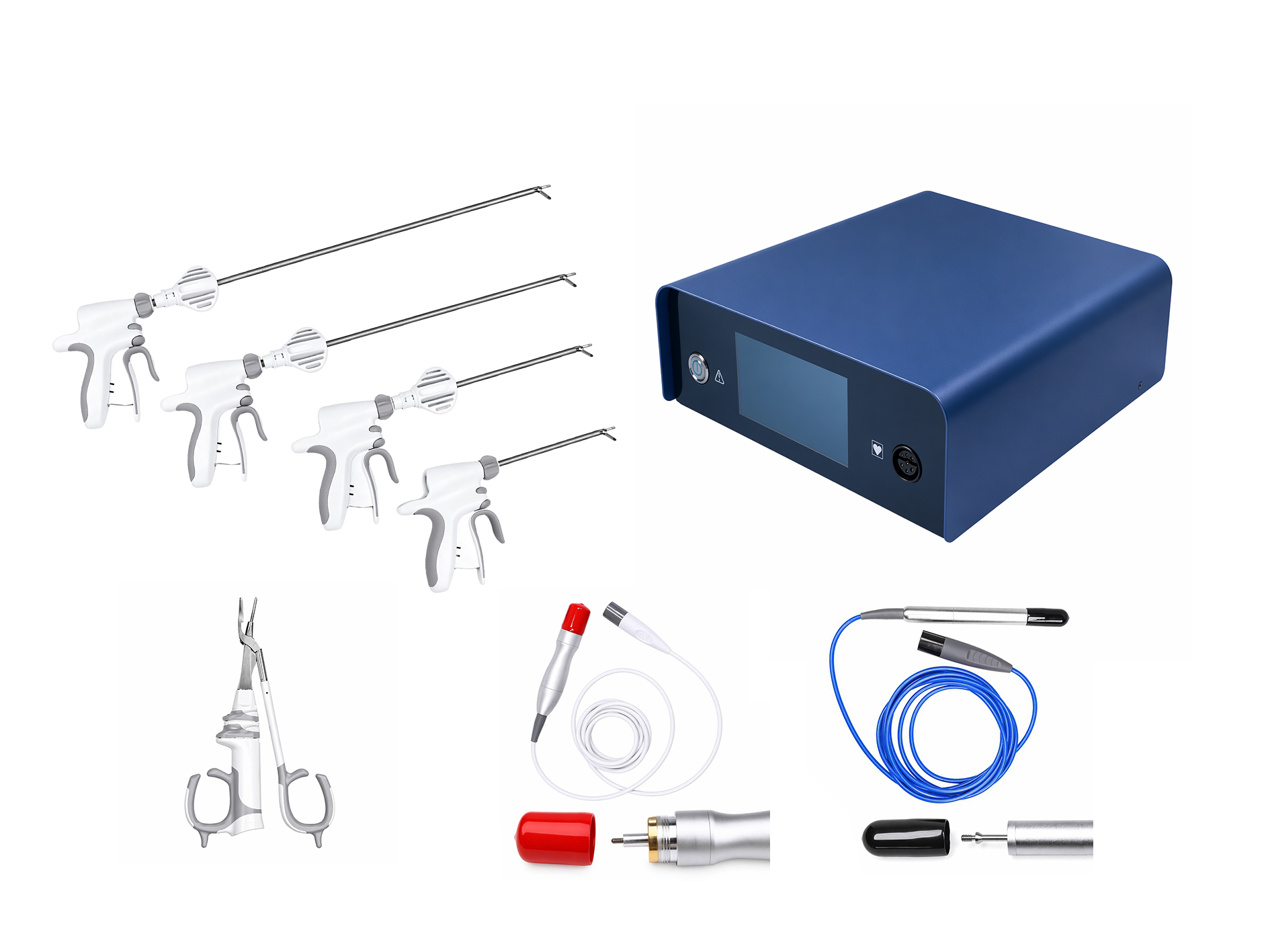
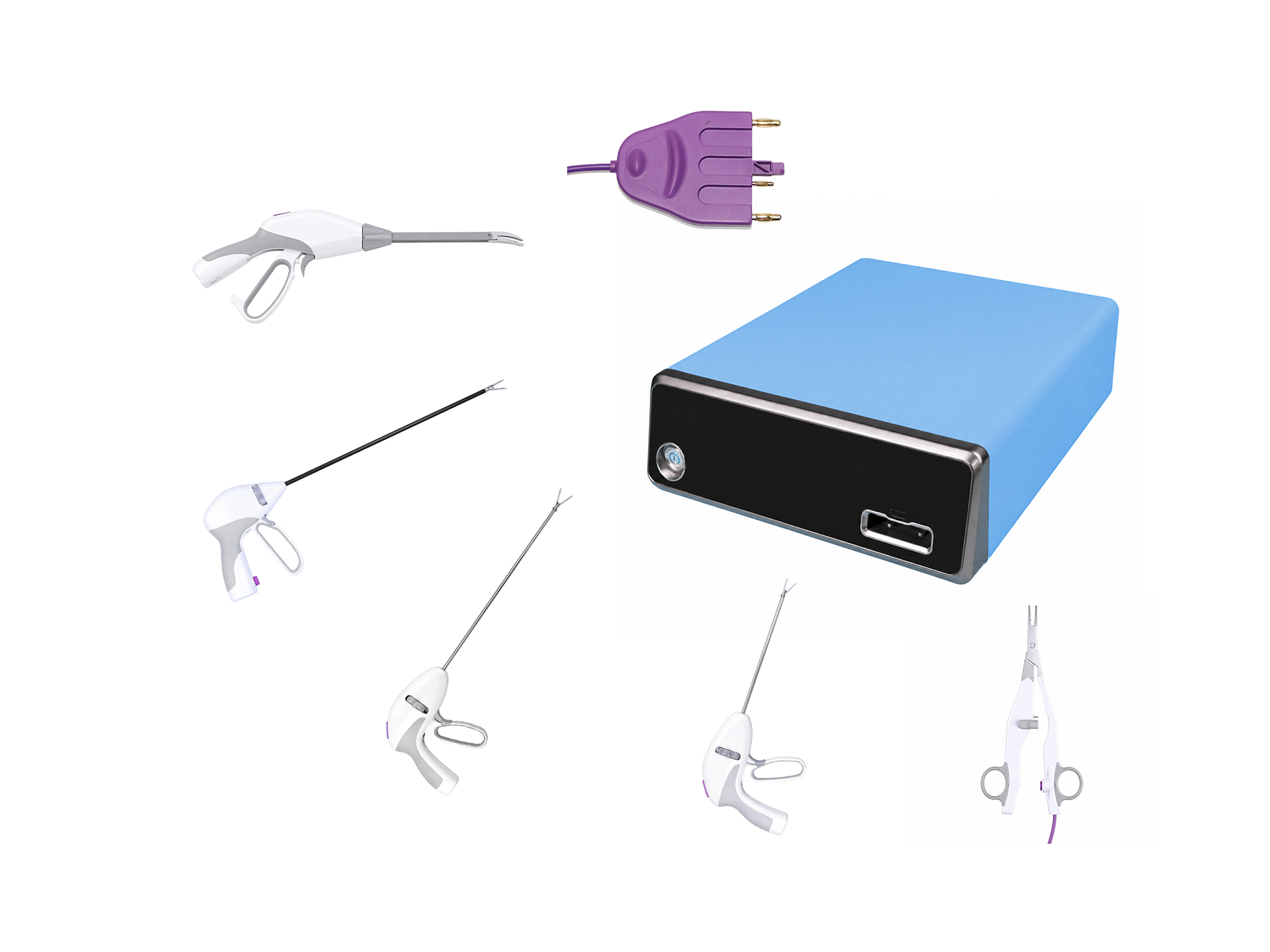
At H Group Med, we have studied these benchmarks extensively. Our electrosurgical generator platform was designed with the same engineering principles:
Real-Time Impedance Feedback
Our generator incorporates high-frequency impedance monitoring that tracks tissue changes throughout the sealing cycle. While our specific sampling architecture differs from Medtronic's proprietary implementation, the functional outcome is the same: the system terminates activation at the optimal point, producing consistent seals without over- or under-delivering energy.
Multi-Mode Output
Our platform supports multiple energy modes — including monopolar cutting, monopolar coagulation, and bipolar sealing — with output specifications designed to match the clinical performance envelope established by industry-leading generators.
Generator Compatibility
Our vessel sealing instruments are designed to be compatible with industry-standard electrosurgical generators, including the Valleylab™ FT10™ platform. This means hospitals that already own these generators can integrate our instruments into their existing workflow without additional capital investment.
Vertical Integration Advantage
Unlike many competitors who assemble components from multiple suppliers, we manufacture every critical component in-house — from jaw mechanisms to insulation architecture to electrical connectors. This gives us direct control over every variable that affects sealing performance.
The Real Question: Can Alternative Manufacturers Match These Standards?
This is the question every procurement manager and distributor should ask. The answer depends on several factors:
- Does the manufacturer understand the impedance-sealing relationship? A generator that merely outputs power without intelligent feedback is not comparable.
- Has the design been validated through bench testing? Burst pressure testing on vascular tissue, thermal spread measurement, and seal integrity analysis are non-negotiable.
- Is the manufacturing process repeatable? A great design means nothing if assembly variability degrades performance from unit to unit.
- Is there full component traceability? When every seal matters, you need to know exactly what went into every instrument.
These are the same questions we ask ourselves every day. Our approach is not to copy — it is to understand the fundamental physics of tissue sealing and engineer solutions that meet or exceed the same clinical performance standards, at a price point that makes advanced electrosurgery accessible to emerging markets.
Conclusion
The FT10™ energy platform represents what is possible when decades of electrosurgical innovation are combined with modern computing power. Its benchmarks — 434 kHz impedance sampling, 1–4 second sealing cycles, multi-modal output, and intelligent energy delivery — define the performance ceiling that the entire industry strives toward.
At H Group Med, we use these benchmarks as our design targets. We believe that surgeons in emerging markets deserve the same quality of tissue sealing as those in developed markets — and that price should not be the barrier to accessing advanced electrosurgical technology.
We invite you to evaluate our platform, test our instruments, and judge the results for yourself.
H-group Original Article — Strictly reproduced
For more information, visit hgroup-med.com or contact us at [email protected]